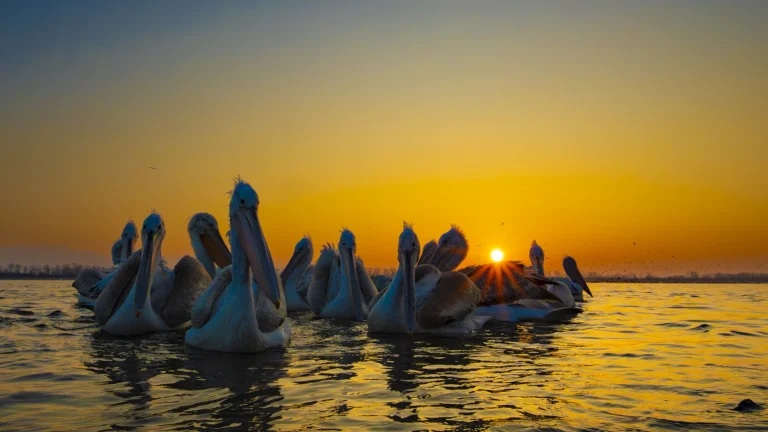
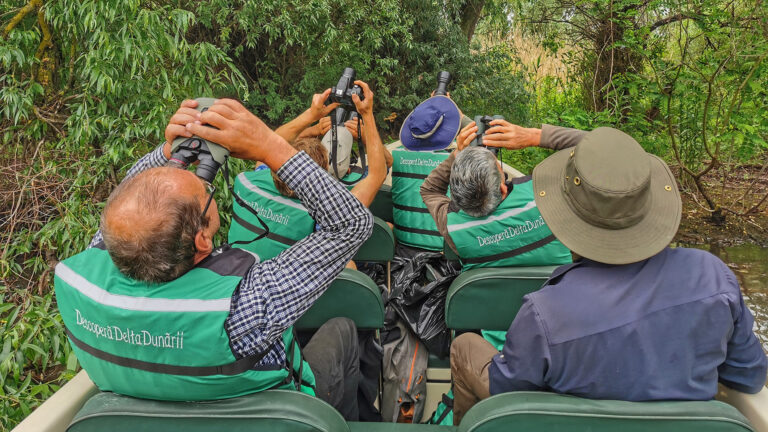
Never disturb birds for a better view or photo.
Avoid getting too close to nesting sites, as this can stress the birds or even cause nest abandonment.
Do not play recorded bird calls excessively – this can confuse and exhaust birds, especially during breeding season.
Stick to designated trails and viewing areas to minimize habitat destruction.
Do not trample vegetation or disturb sensitive ecosystems.
Avoid leaving any food or waste behind, as this can alter the birds’ natural behavior and attract predators.
Keep noise to a minimum to avoid scaring birds and disturbing others.
Share viewing spots politely and do not monopolize a sighting.
If using a camera or spotting scope, be mindful of those around you and avoid blocking their view.
Avoid using flash photography, especially on nocturnal birds.
Do not manipulate surroundings to get a “better shot” (e.g., breaking branches or moving nests).
Use a telephoto lens to capture images from a distance rather than approaching too closely.
Feeding birds disrupts their natural foraging behavior and can make them dependent on humans.
Some human food can be harmful to birds – never offer bread, crackers, or other processed items.
If you wish to support birds, consider planting native vegetation that provides natural food sources.
If you witness someone disturbing wildlife, politely educate them if possible.
Report violations to local conservation authorities or park rangers if necessary.
Promote ethical birdwatching practices within the birding community to encourage responsible behavior.
Participate in citizen science projects like eBird, which helps track bird populations.
Support local and international conservation organizations that work to protect bird habitats.
Advocate for policies that safeguard natural areas and migratory routes.
Ethical birdwatching ensures that future generations can enjoy the beauty of birds in their natural habitats. By following these guidelines, we can minimize our impact while maximizing our appreciation for wildlife. Remember, true birdwatchers value the well-being of birds over personal gain – respect nature, and it will reward you with incredible experiences!